The Social Media Guidelines that Stealthily Went into Effect
 So the guidelines I wrote about last week went into effect, with out any real public input that I could see. I’m so mad about it. These rules are bad for the internet. Now these rules are being used to threaten administrators of Whatsapp groups, as if they have any control over what people say in those groups, or should be criminally liable for that content. It’s complete bullshit. This will have an adverse effect on freedom of speech, mark my words
Be Careful Before You Call KOT "Dumb"
 I’ve never written to the public editor of the Nation newspaper before but this : “If he is to be believed, Americans on Twitter are smarter than their Kenyan counterparts whose major preoccupation in social media seems to be trading insults, ethnic chauvinism and fake news.” rubbed me the wrong way.
This is an assumption not based on any research and I assume comes from the anecdotal evidence from the editor’s own twitter feed or those of his friends and colleagues. This is wrong. Twitter, in particular, is definitely a function of who you follow. What you see there is your own choice, mostly.
Thoughts on CA and NCIC's Social Media Guidelines for Political Messaging

The Communication Authority of Kenya(CA) & National Cohesion and Integration Commission(NCIC) published guidelines dealing with bulk SMSes and social media[PDF] for public consultation. The entire document is an interesting read and I encourage you to read it yourself; I would love to hear what you think in the comments. For this post, I’ll focus on Part 2 of the document: Guiidlines(sic) with regards to the use of social media for political messaging.
Facebook and its Cause Against Fake News
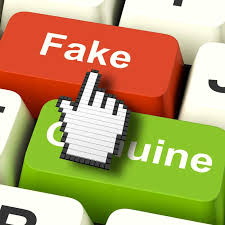 Donald Trump defeated Hillary Clinton to win the USA presidential election, he will be sworn in some time in January. This was a shock for me and the 4 Americans whom I know. Since then, there’s been a rush to explain the win, the forgotten white people, racism, sexism and fake news among others. The fake news thing was propelled by this Buzzfeed post. Later on I read this post giving interesting suggestions on how the platforms can help with combating fake news. This is the comment I left on the post.
Introducing Research Practices in Universities.
 I read this great post on Chao’s blog. I was to leave this as a comment on the post, but it got too long. So I decided to post my thoughts here.
First, I think the word tech is rapidly losing any nuance it has. When you look at Twiga, Eneza and Sendy, while each may be said to be a tech company, what they really are are: an agricultural, education and logistics company. What makes them similiar is that they were built with tech first in mind; it is at their very core. However, every company these days uses tech in some way or another, they can’t afford not to.
The Current State of Kenyan Built Apps!
![[http://venturebeat.com]](https://sidneyochieng.co.ke/wp-content/uploads/2016/10/mobile-apps-pile-ss-1920.jpg)
Sometime back, I had a conversation with Kirui, who is the lead of Consulting at iHub and therefore my boss, as he was writing a post reviewing Kenyan apps; you can read the posts here and here. In this conversation he lamented the dearth of Kenyan mobile apps. In addition to that he noted that the quality had not been fantastic as apps were not improved upon.
I posited to him, and do so here, that this may be because we as techies in the Kenyan ecosystem have for the longest time made fun of the mobile app craze we had mostly in the years 2010 to 2012. In fact there’s even a name for them, m-vitus (vitus is Kiswahili for things), making fun of the fact that a lot of the mobile apps at the time were named in the mpesa style and prioritized mobile (mPrep and mCollector are a couple of examples taken from past Pivot Easts). As a result, it seems to have become unpopular to build mobile apps, particularly consumer facing ones.
Is Justice being served on "Tuko Macho"?
[caption id=“attachment_398” align=“aligncenter” width=“640”]![Tuko Macho Poster [image: http://www.thisisthenest.com/tukomacho/]](https://sidneyochieng.co.ke/wp-content/uploads/2016/07/Tuko-Macho.jpeg) Tuko Macho Poster [image: http://www.thisisthenest.com/tukomacho/][/caption]
Tuko Macho Poster [image: http://www.thisisthenest.com/tukomacho/][/caption]
If you haven’t heard of the Nest Collective’s Tuko Macho web series, then it is my extreme pleasure to bring it to your attention. It is a series that centers around a vigilante group that has grown weary of corruption and impunity, and starts kidnapping people and presenting their case to the public. The public then votes on whether the accused is guilty and hence sentenced to death, or innocent (and set free?). No one in the 5 episodes that have aired so far has been voted innocent, so we still don’t know what happens when they are.
The Central Bank Needs a More Efficient Communication Strategy
 So, I was one of the 55,000 depositors affected by the recent collapse of Chase Bank; well it’s not really collapsed, it’s just under receivership because there are people in Kenya allowed to take unsecured loans of KES 7.8 billion - I wonder what it takes to become one of those people. On Thursday 7th of April, at around 8:30am, this was brought to my attention by a concerned friend, but I choose not to believe it; after all, the governor of the Central Bank of Kenya had on the previous day stated that there was nothing to worry about. Well, that was until I couldn’t access my account via the mobile app or the web! I thought of heading to the ATM in my neighbourhood until I saw pictures of them on Twitter: “Out of Order”!
What happened at Chase Bank
[caption id="" align=“aligncenter” width=“739”] Chase Bank(In Receivership) logo[/caption]
[View the story “So what happened at Chase Bank” on Storify]
Uber x Taxi Wars

The Kenya United Taxi organisation gave the government 7 days from Tuesday 2nd Feb to remove Uber from Nairobi or they would bring the city to a standstill. This came days after reports began to surface that Uber cars were being attacked by regular taxi drivers in certain areas in the city.The regular taxi drivers claim that Uber is undercharging users and therefore driving them out of business. They also claim that the company is not compliant with government regulations.